
Our Pipeline
A growing pipeline in autoimmune disease
Jade is advancing a pipeline of novel monoclonal antibody therapies across serious autoimmune diseases with high unmet need. Guided by scientific bravery, we pursue disease-driving biology where we believe targeted intervention can meaningfully change outcomes for patients.
Our lead program, JADE101, targets IgA nephropathy, a progressive kidney disease that threatens long-term organ function and is often diagnosed in otherwise healthy young adults. Jade’s pipeline also includes JADE201, an anti-BAFF-R (B-cell activating factor receptor) monoclonal antibody which has to potential to address B cell-driven autoimmune disease across a broad range of systemic indications, and JADE301, a IFN-β neutralizing monoclonal antibody in development for dermatomyositis, a rare and debilitating autoimmune disease in which excessive IFN-β activity is believed to be a central driver of muscle and skin pathology.
| Program/Potential Indications | MOA | Preclinical | Phase 1 | Phase 2 | Phase 3 |
|---|---|---|---|---|---|
|
Program/Potential Indications
JADE101IgAN
Phase 2
More info
|
MOA
anti-APRIL |
Not in Preclinical phase | Not in Phase 1 | In Phase 2 | Not in Phase 3 |
|
Program/Potential Indications
JADE201Multiple systemic AI diseases
Phase 1
More info
|
MOA
anti-BAFF-R |
Not in Preclinical phase | In Phase 1 | Not in Phase 2 | Not in Phase 3 |
|
Program/Potential Indications
JADE301Dermatomyositis
Preclinical
More info
|
MOA
anti-IFN-β |
In Preclinical phase | Not in Phase 1 | Not in Phase 2 | Not in Phase 3 |
Jade has entered into exclusive license agreements with Paragon Therapeutics for JADE101, JADE201 and JADE301.
Program Details
JADE101
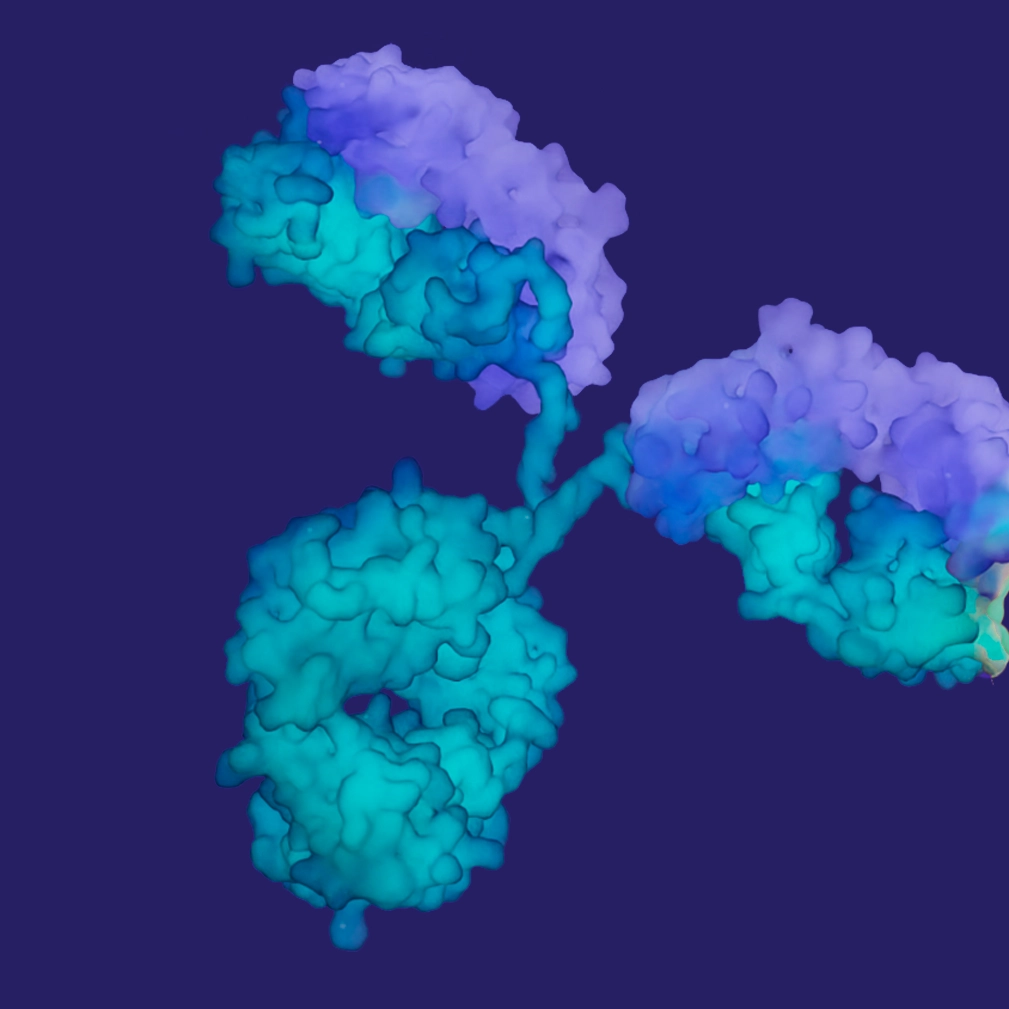
JADE101: anti-APRIL monoclonal antibody in development for IgA nephropathy (IgAN)
IgAN is a progressive autoimmune kidney disease with a high lifetime risk of kidney failure, often diagnosed in young adulthood.
JADE101 was selected through a de novo discovery campaign to bind APRIL at a novel epitope, with ultra- high binding affinity. The novel epitope was selected to avoid the large molecular weight complexes that can cause immunogenicity. JADE101 was designed to support durable and predictable exposure. The molecule incorporates a validated YTE Fc modification for half-life extension with the goal of supporting a longer dosing interval. By combining ultra-high affinity, avoidance of large complex formation, and half-life extension, JADE101 was designed to have best-in-class clinical activity and a convenient dosing regimen.
JADE201
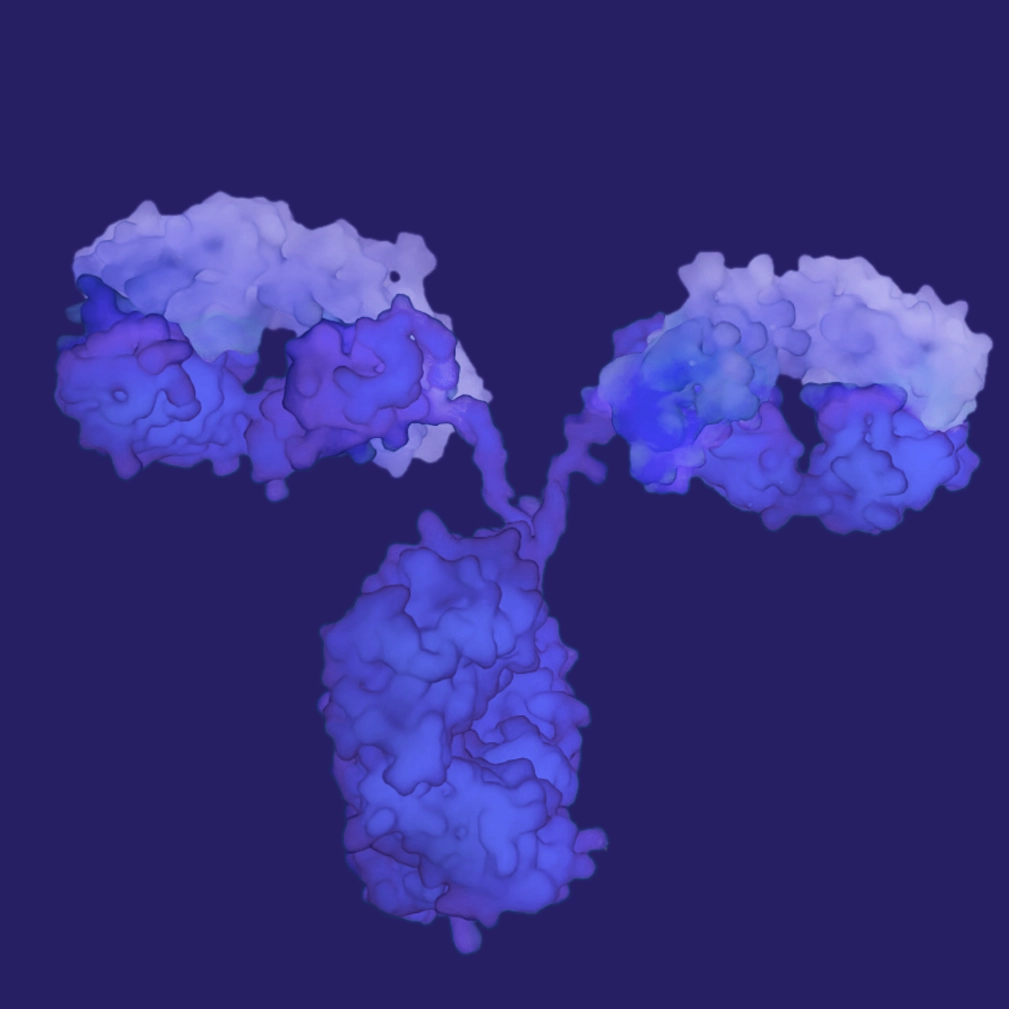
JADE201: anti-BAFF-R monoclonal antibody in development for autoimmune diseases
B cell depletion is a validated approach across a broad range of autoimmune diseases, but existing therapies face a consistent limitation: autoreactive B cells repopulate after treatment, driven by compensatory BAFF upregulation, leading to patient relapse.
JADE201 is designed to address this directly through a dual mechanism, depleting B cells via afucosylation-enhanced Antibody-Dependent Cellular Cytotoxicity while simultaneously blocking the BAFF signal that drives their return. Half-life extension is designed to sustain that effect with potentially less frequent subcutaneous dosing. JADE201 has broad potential across multiple autoimmune indications supported by B cell and BAFF-R biology.
JADE301
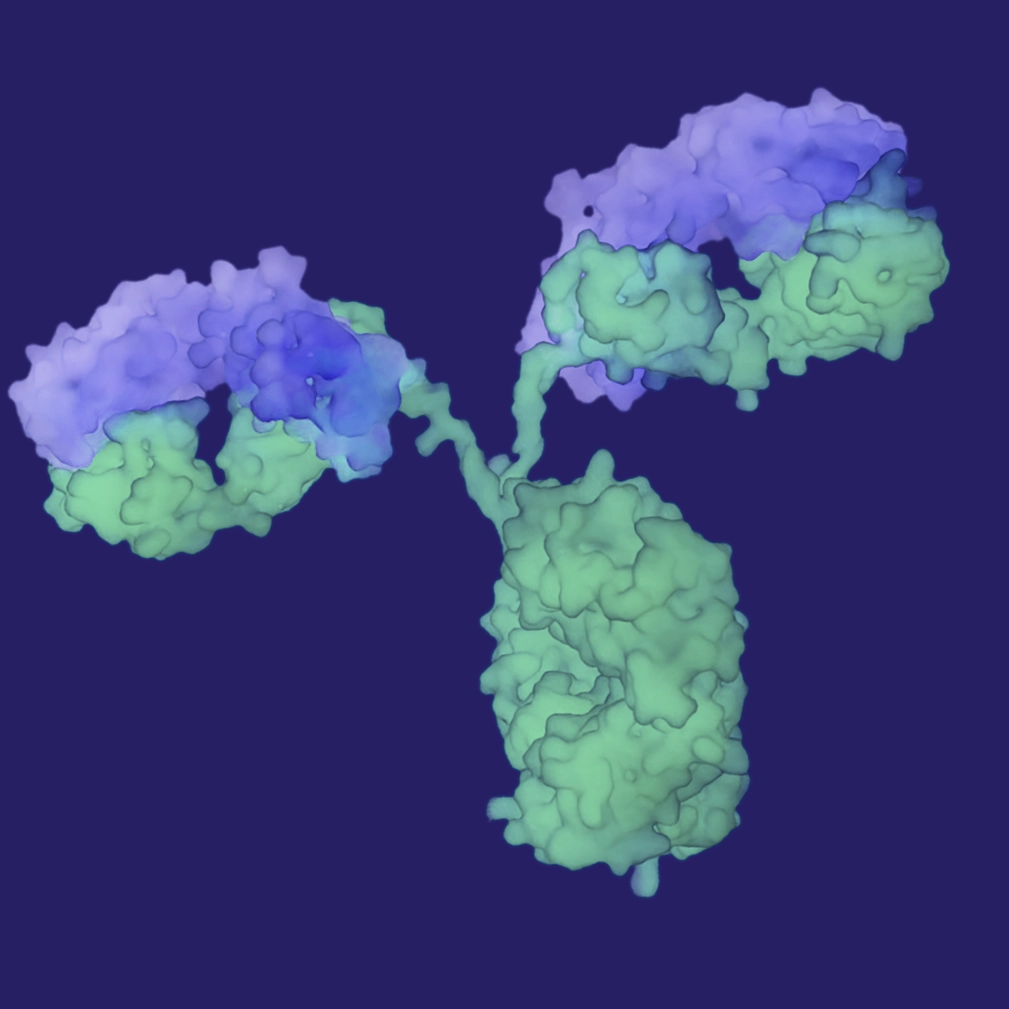
JADE301: anti-IFN-β monoclonal antibody in development for dermatomyositis (DM)
JADE301 is a potentially best-in-class monoclonal antibody in development for dermatomyositis, a rare and debilitating autoimmune disease in which excessive IFN-β activity is believed to be a central driver of muscle and skin pathology.
Designed to selectively neutralize IFN-β, JADE301 combines a targeted mechanism with a differentiated molecular profile, including an effector-null human IgG1 Fc backbone and a validated half-life–extending modification. This profile is intended to support durable exposure, a well-tolerated profile, and convenient, infrequent, subcutaneous dosing, with the potential to improve the treatment experience for patients.